
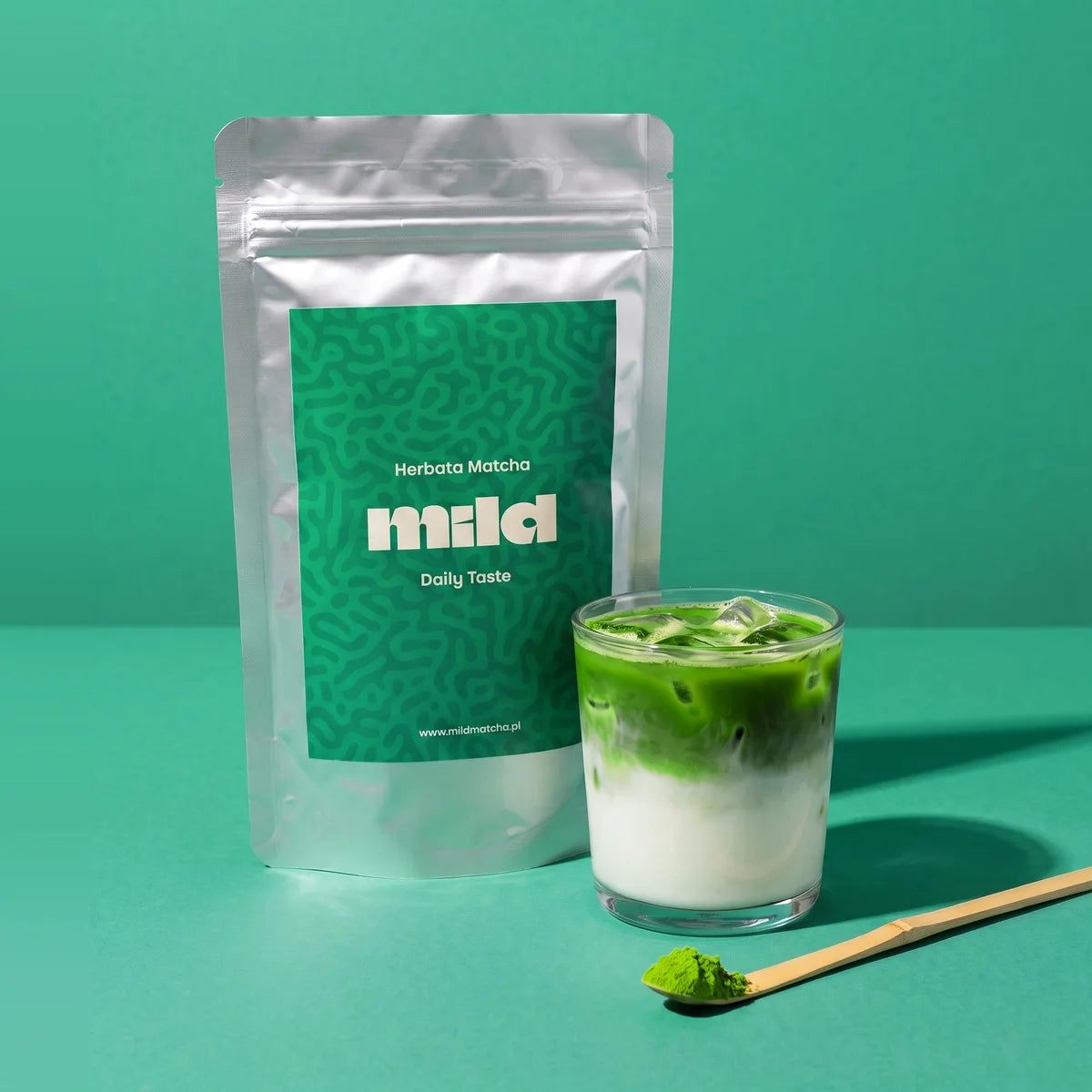

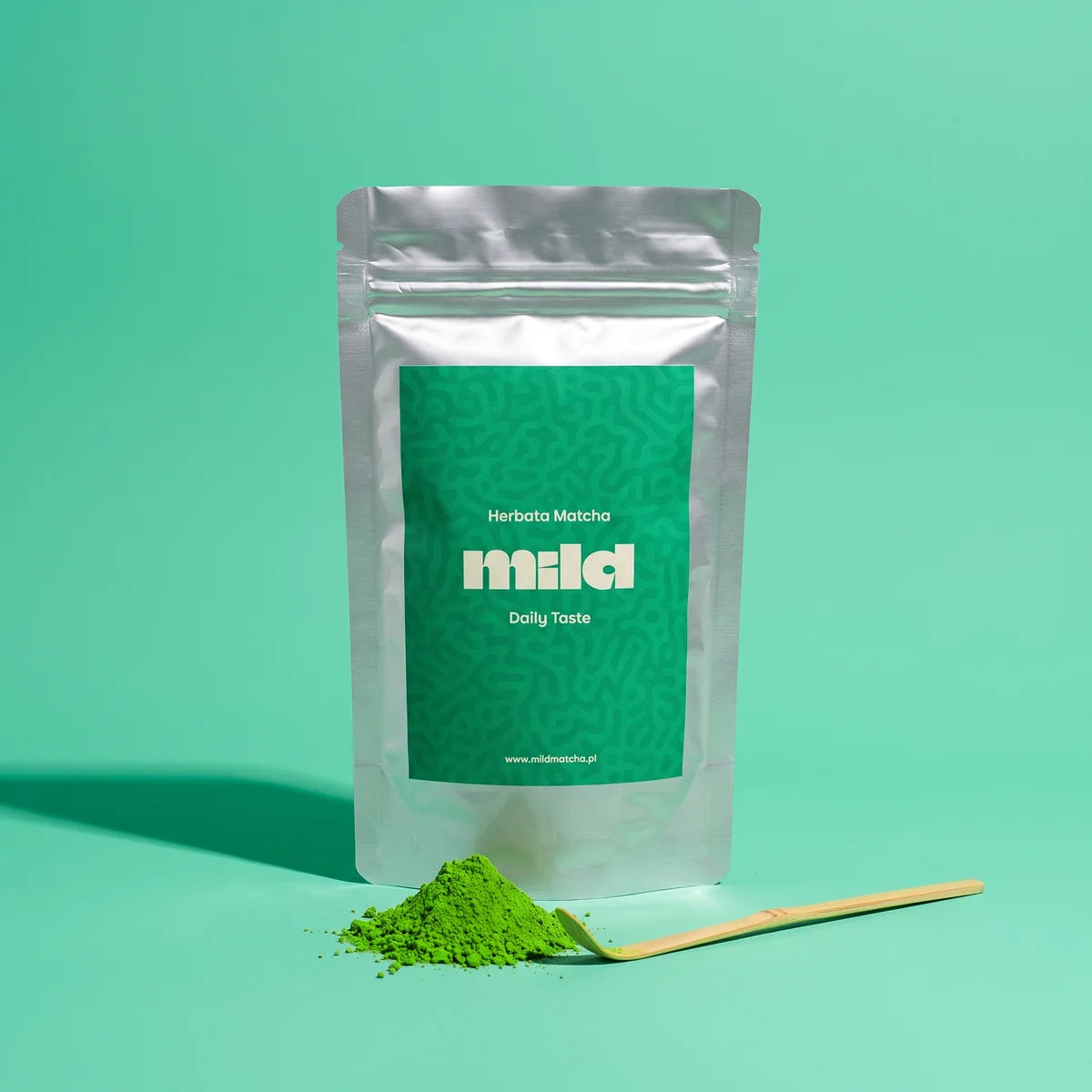
Matcha Daily 50 g
From Aichi, for your everyday latte. Umami with a light bitterness.
- From 3,56 zł per serving
- 1 serving = 2 g
- First harvest only
Free shipping from 150 zł · Ships in 24h
- Organic certified
- First harvest
- Stone-ground
- 14 days to return
An everyday matcha: for iced and hot lattes, smoothies and baking, or the classic way, whisked with water using a chasen. It is made from tencha leaves from the first spring harvest in Aichi Prefecture, shade-grown before picking and ground on stone mills.
It has a vivid green colour, a thick foam when whisked and an umami taste with a gentle bitterness that works well with milk. One serving is 1-2 g of powder, so a 50 g pack makes about 25 servings.


Origin
- Cultivar
- blend
- Harvest
- First harvest
- Region
- Aichi, Japan
- Taste
- umami, light bitterness
- Grade
- everyday, first harvest only
- How to drink
- lattes, smoothies, baking
How to prepare
- Sift 2 g of matcha into a bowl.
- Add 60 ml of water at 70-80°C.
- Whisk in a W motion for 15-20 seconds.
- For a latte, add about 150 ml of milk.
More in the article How to make matcha step by step.
Questions
What are the ingredients?
Only stone-ground green tea leaves (tencha), nothing added.
How much caffeine is in a serving?
According to a review of studies, 1 g of matcha contains about 19-44 mg of caffeine, so a 1-2 g serving has roughly 19-89 mg. For comparison, an espresso has about 80 mg. More in the article Does matcha have caffeine?
How do Daily, Premium and Unique differ?
Daily is a first harvest from Aichi with a gentle bitterness, good for lattes. Premium is a first harvest from Kagoshima, a step up for lattes and also good as a shot with water. Unique, also from Kagoshima, has the least bitterness and tastes best with just water. Compare the matchas
Shipping and returns
Ships in 24h, free over 150 zł. You will see delivery costs and methods before you pay. 14 days to return. Pay by card, BLIK, Apple Pay, Google Pay, Shop Pay or later with Klarna. Details in the shipping policy and refund policy.


From bush to pouch
Matcha is made from tencha leaves. Before harvest the bushes grow in the shade, the leaves are picked in spring and then ground on stone mills.

1In the shade
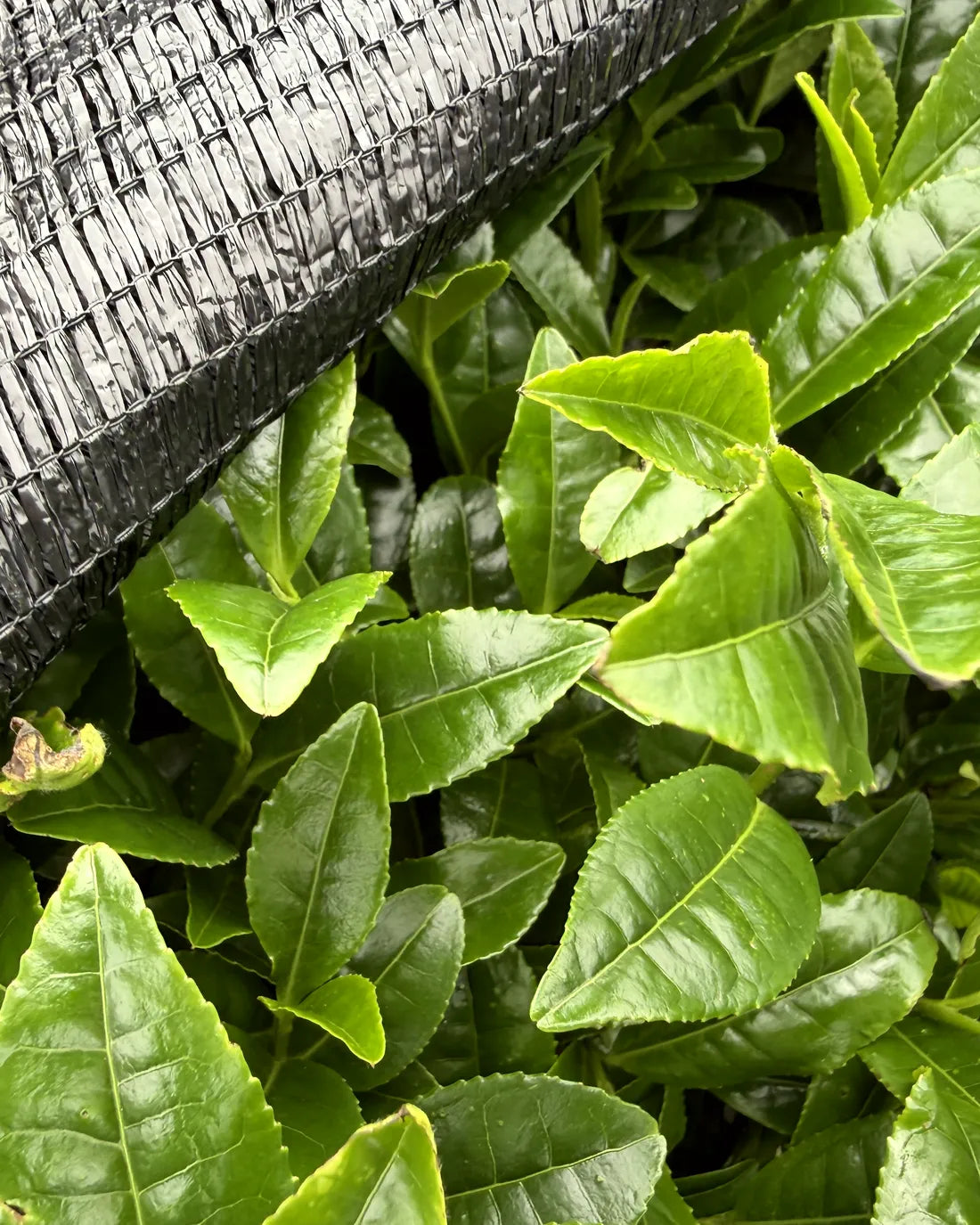
A few weeks before harvest the bushes are covered with black netting. The leaves grow more slowly and turn darker.
2First harvest
Daily is made from young leaves from the first spring harvest.
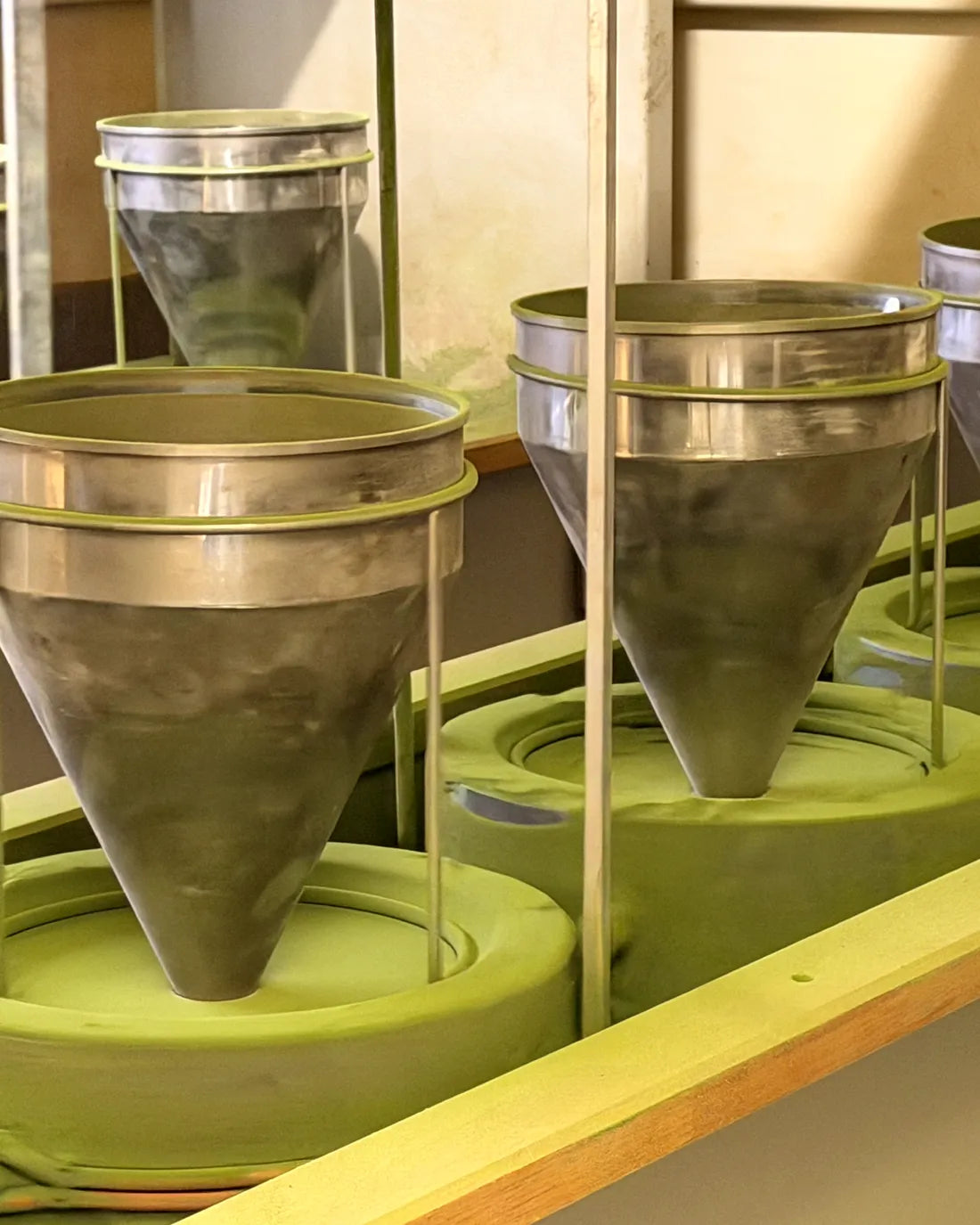
3Stone mills
The dried tencha leaves are slowly ground into a fine powder on stone mills.

People love it
All about Matcha Daily
Matcha Daily is Japanese matcha from the first spring harvest in Aichi prefecture, made for an everyday latte, hot or iced. A 50 g pouch makes about 25 servings of 2 g, which is about PLN 3.56 per cup. It contains only ground tencha, with no sugar, milk powder or colouring.
Read moreShow less
What is Matcha Daily?
It is powdered tencha leaves: tea that is covered with shade nets and grown in the shade before harvest. The leaves come from the first spring harvest (2025), are dried without rolling and ground on stone mills into a fine powder. You drink the whole ground leaf, not an infusion, which is why matcha has such an intense colour and a distinct taste. Read more about where matcha comes from in What is matcha.
What does it taste like?
It has an intense green colour, a thick foam when whisked and an umami taste with gentle bitterness. The bitterness is intentional: it keeps the matcha noticeable even with milk, dairy or plant based. If you want matcha to drink with water only, choose Matcha Unique. Matcha Premium is a step up for lattes that also works as a shot with water.
How to make a matcha latte with Matcha Daily?
Iced latte: sift 2 g of matcha (a level teaspoon) into a bowl, add 40 ml of water at 70–80°C and whisk with a chasen in an M shape for 15–20 seconds. Fill a glass with ice, pour in 150–200 ml of milk and slowly pour the matcha on top.
Hot, with water only: 1–2 g of matcha, 60–80 ml of water at 70–80°C, 15–20 seconds of whisking. Boiling water brings out more bitterness, so the water should be noticeably cooler. For details and fixes for common problems (lumps, no foam), see the guide How to prepare matcha step by step.
Matcha Daily also works in smoothies and baking, because its colour and taste hold up next to other ingredients.
How long does one pack last?
| Serving | Servings per 50 g | Cost per serving |
|---|---|---|
| 1 g (lighter matcha with water) | about 50 | about PLN 1.78 |
| 2 g (latte, standard) | about 25 | about PLN 3.56 |
If you drink one latte a day, a pouch lasts just under a month.
How much caffeine is in a serving?
In a study by Kochman et al. (2020), matcha contained 18.9 to 44.4 mg of caffeine per gram, so a 2 g serving has roughly 38–89 mg. The exact amount depends on the batch and on how much powder you use. We compare it with coffee and the EFSA limits in Does matcha contain caffeine?
Ingredients, origin and certificates
- Ingredients: 100% powdered green tea leaves (tencha).
- Origin: Aichi, Japan.
- Harvest: first spring harvest, 2025.
- Grinding: stone mills.
- Certificates: EU organic, JAS and USDA Organic.
- Packaging: 50 g pouch.
Daily, Premium or Unique?
| Matcha Daily | Matcha Premium | Matcha Unique | |
|---|---|---|---|
| Best for | hot and iced latte | latte, or a shot with water | water only |
| Region | Aichi | Kagoshima | Kagoshima |
| Taste | umami, gentle bitterness | milder than Daily | creamy, clear umami, little bitterness |
| Packaging | 50 g pouch | 50 g pouch | 30 g tin |
How to store matcha?
Keep the pack tightly closed, away from light, heat and strong smells. Matcha loses colour and aroma over time, so the Japanese tea house Ippodo recommends using it within about a month of opening. If you keep it in the fridge, let the pack warm up to room temperature before opening it, so no moisture gets inside.
What else will you need?
For whisking, a bamboo chasen works best, and for lattes a bowl with a spout is handy, like the Matchawan Emerald. No chasen? See what to use instead.